
But another thing I do? I waste a lot of food -- all in the name of food safety. For example, any food that is 'self-serve' (a.k.a., where you put the food on your own plate, such as at a salad bar) has to be thrown away at the end of the night due to cross-contamination concerns. And that adds up to a lot of food every night.
Now, thankfully, my place of employment openly embraces a lot of sustainable practices, which means that we try to compost and donate what we can. But it is still an imperfect system.
But before I get too far into this, I want to add some context to this whole issue. With that, I introduce to you the concept of food waste.
Food Waste
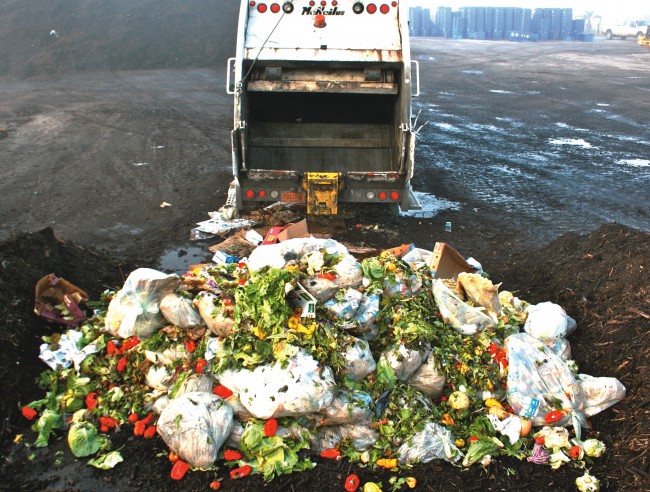
Food Waste is the phenomenon of throwing food away that doesn't need to be. This takes several forms:
- Throwing away fruits and veggies in your kitchen that went bad before you got a chance to use them.
- Throwing away food that was left on your plate at the end of a meal.
- Throwing food away at the end of the night at restaurants because of food safety regulations.
And as a society, it is something we are pretty good at. As a nation, we wasted 36 million tons of food alone in 2012. That's a lot of food that simply ended up in landfills. And why?
Why Food Waste?
In short, people's eyes are bigger than their stomachs. And we're lazy. We have become accustomed to the vision of a full refrigerator in our kitchen. And this, combined with our dislike of going to the grocery store more frequently to buy smaller quantities of food, is the greatest cause of the issue at hand.
Why It's Really Bad
But the mere waste of food isn't the worst part. Many of the environmental consequences of food waste is the reason it is problematic. These consequences include:- Contributing to Resource Use - this is a fancy way of saying that our over-demand for food contributes to a subsequent over-production of agricultural food products. In this, we grow too much corn, and raise too much cattle relative to our actual needs. And because of this, we use more water, land, and soil than is necessary.
- Methane - one of the greatest problems of decomposing food is the production of methane gas, which is, coincidentally, a leading greenhouse gas that has been linked with climate change.
- Also, on a related note, our demand for cattle also causes more methane to be released into the atmosphere because of, well, cow farts. (Also, this is a thing.)
- Sanitation - food waste also contributes to poorer sanitary conditions as food waste is disposed of in dumpsters behind homes and business. This works to attract mice and other pests. (Yuck.)
- There are Starving Kids in Africa - Yes, there are starving kids in Africa. But there are also starving kids (and people) in our own communities who could benefit from the food we produce. But instead, we throw it away. And that just sucks.
So How do We Fix It?
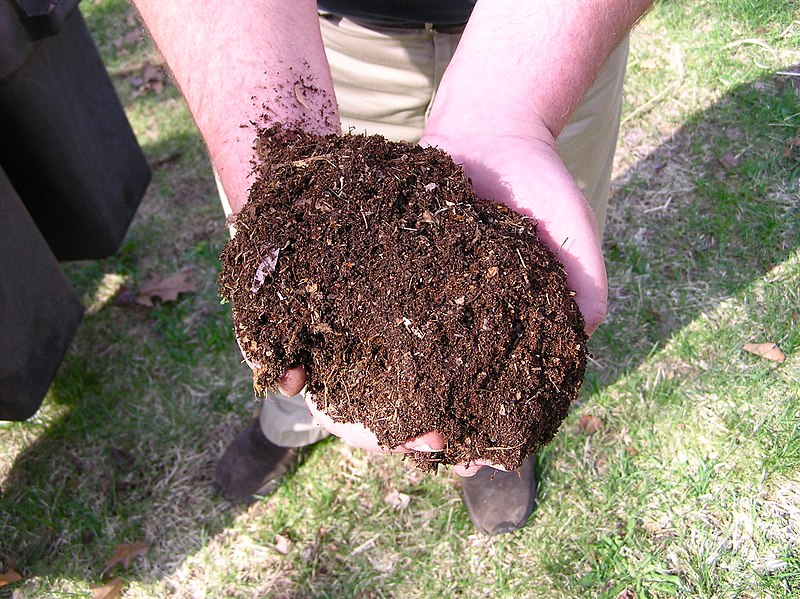
Composting
Composting, or systematically allowing food to decompose into usable and nutrative soil, has several benefits. First, it allows us a place to divert some of the food waste we produce. Also, the use of compost soil can naturally work to replace some of the nutrients in soil that are removed by agriculture. Last, composting is relatively inexpensive.Food Donation
Often times, a lot of the food we throw away is fresh enough that it could be donated to local food shelters and banks to provide food to people in our communities who can't afford it. This can be complicated due to legal limitations and the process of transporting food to food shelters, but it is a very possible way to divert usable food away from landfills.Industrial Uses
This is a rather broad use for food waste, but it essentially speaks to finding ways to use food waste in industrial settings, thus diverting the waste away from landfills. Some options include:- Using food waste as a biomass source for energy production. This is an innovative option that some corporations, such as Kroger, uses to power some of their stores.
- Using food waste as feed for animals. This is especially relevant as an option within the agricultural industry.
- Using grease and fats as fuel.
And although I feel horrible about how much food I tend to waste at my job, some of the things Colorado State University does to be more sustainable is pretty cool. A video in close.

No comments:
Post a Comment